
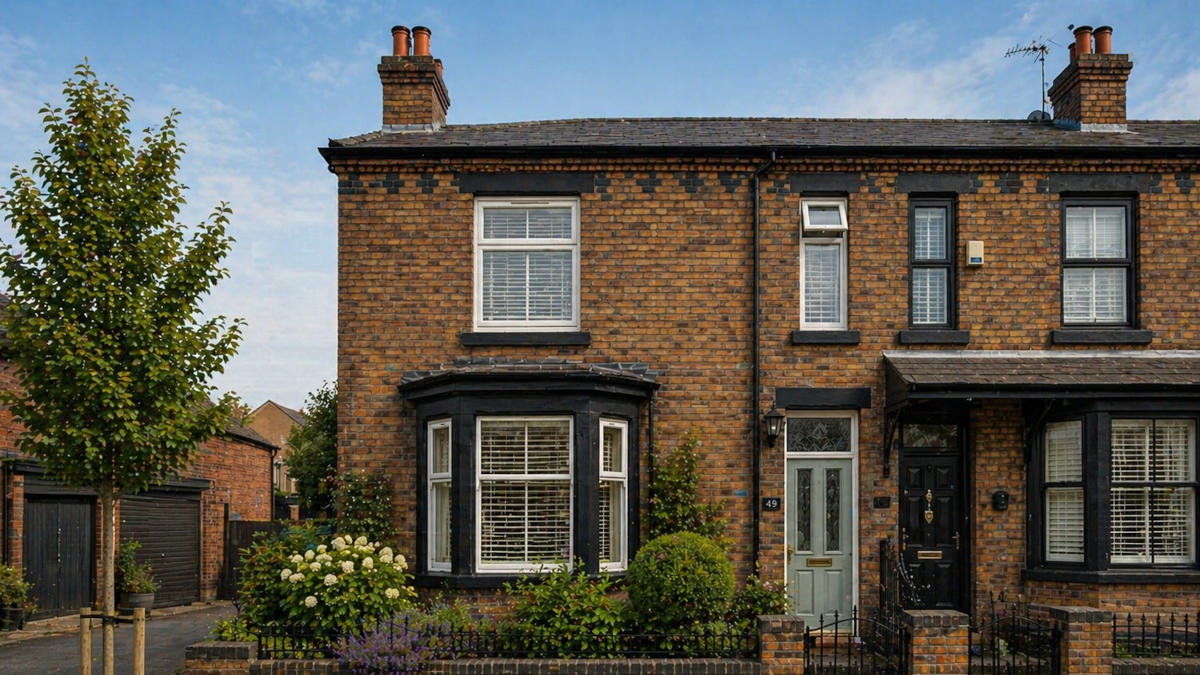
£215K HMO Conversion Bridge at 75% LTGDV
Colenko provided a £215,000 bridging facility for a limited company property investor converting a two-bedroom terraced property in Warrington into a five-bedroom HMO.
The borrower had minor adverse credit and needed both a strong day-one advance and full funding for the refurbishment works. Colenko took a practical view on the completed HMO value and the proposed refinance exit, structuring the loan at 75% LTGDV with staged drawdowns, retained interest and title insurance.
Deal Snapshot
| Borrower type | Limited company property investor with minor adverse credit |
| Loan product | Bridging loan for HMO conversion |
| Facility size | £215,000 |
| Security | Residential property being converted into an HMO |
| Location | Warrington |
| Leverage | 75% LTV / 75% LTGDV |
| Rate | 0.95% per month |
| Term | 12 months |
| Exit strategy | Refinance onto term HMO mortgage |
| Structure | Strong day-one advance with staged drawdowns |
| Additional features | 100% refurbishment funding, retained interest, title insurance |
| Valuation approach | Underwritten against commercial investment value |
Borrower Profile
The borrower was a limited company property investor with a straightforward ownership structure and a defined plan for the property.
The minor adverse credit reduced the number of available lenders, particularly at the requested leverage. However, it did not undermine the wider case. The borrower was converting a standard residential asset into a higher-yielding HMO, with the intention of refinancing onto a term HMO mortgage once the works were complete.
Although the borrower was not a highly experienced HMO operator, they understood the model and had a realistic plan for increasing the property’s income potential. For Colenko, the question was not whether the borrower had a perfect profile. It was whether the asset, the proposed works and the exit strategy supported the facility.
The Opportunity
The transaction involved refinancing a standard two-bedroom terraced property in Warrington and converting it into a five-bedroom HMO.
The value in the deal came from the change in use and income profile. By moving from a two-bedroom terrace to a five-bedroom HMO, the borrower could create a higher-yielding asset with a stronger refinance position once operational.
The completed property had a GDV of £310,000. The bridge was structured against the completed commercial investment value, rather than only the property’s existing residential use. That was central to the case, because the intended exit was a term HMO mortgage after completion of the works.
Key Challenges
No single element made the deal unworkable. The challenge was bringing together adverse credit, higher leverage, full works funding and an investment-led valuation approach in one facility.
The borrower’s minor adverse credit narrowed the lender pool. At the same time, the borrower required 75% leverage, which sits towards the upper end for this type of refurbishment and conversion project.
The borrower also needed the refurbishment works funded in full. That meant the facility had to provide enough funding on day one to support the refinance, while holding back money for the conversion works through controlled drawdowns.
Valuation was a key part of the decision. The deal relied on a lender being comfortable with the completed commercial investment value of the HMO, rather than assessing the property only against its existing residential value. Not every lender is prepared to take that view, particularly where adverse credit and higher leverage are also involved.
Colenko’s Approach
Colenko looked beyond the borrower’s credit profile and assessed the transaction in the round: the asset, the planned works, the completed value and the proposed exit.
The conversion from a two-bedroom terrace to a five-bedroom HMO gave the asset a clear income-led rationale. With the completed value and planned term HMO refinance supported, the requested leverage could be assessed in context rather than treated as a standalone risk.
The facility was then structured around the borrower’s actual funding requirement. Colenko provided a £98,000 day-one gross loan to release capital, alongside a £96,000 drawdown facility to fund the refurbishment works.
This allowed the borrower to access capital at the start of the transaction, while keeping the works funding tied to the progress of the conversion.
Execution
The loan was delivered using a combination of upfront funding and staged drawdowns.
The day-one advance allowed the borrower to refinance the property and release capital. The drawdown facility then supported the conversion works, helping the borrower progress the project without needing to inject additional cash for the refurbishment.
Title insurance was used to keep the legal process efficient and avoid unnecessary delays. Colenko worked closely with the broker and professional team to maintain momentum and keep the facility aligned with the intended refinance exit.
The Outcome
Colenko delivered a £215,000 bridging facility that enabled the borrower to refinance the property and fund the full conversion from a two-bedroom terrace into a five-bedroom HMO.
The structure provided capital on day one, with refurbishment funding released through staged drawdowns, allowing the borrower to progress the works without contributing further capital.
The facility allowed the borrower to reposition the property into a higher-yielding HMO, with the intended exit remaining a refinance onto a term HMO mortgage once the works are complete.
Our Lending Approach
In this case, the lending decision depended on the completed HMO value, the refinance strategy and the way the refurbishment funding was controlled.
The key points were:
- Higher leverage can be considered where the completed value and exit strategy support the case
- Minor adverse credit can be considered where the wider proposition remains strong
- Facilities can be structured around both day-one capital release and staged refurbishment funding
- HMO conversions can be funded where the asset, works and refinance route are clearly understood
- Commercial investment value can be assessed where it is supported by the asset and local market
- Broker-led transactions benefit from clear communication, practical structuring and alignment around the exit strategy